.svg&w=384&q=75 "Pitchgist logo")
Liverpool W vs Arsenal W: FA WSL Clash at Anfield
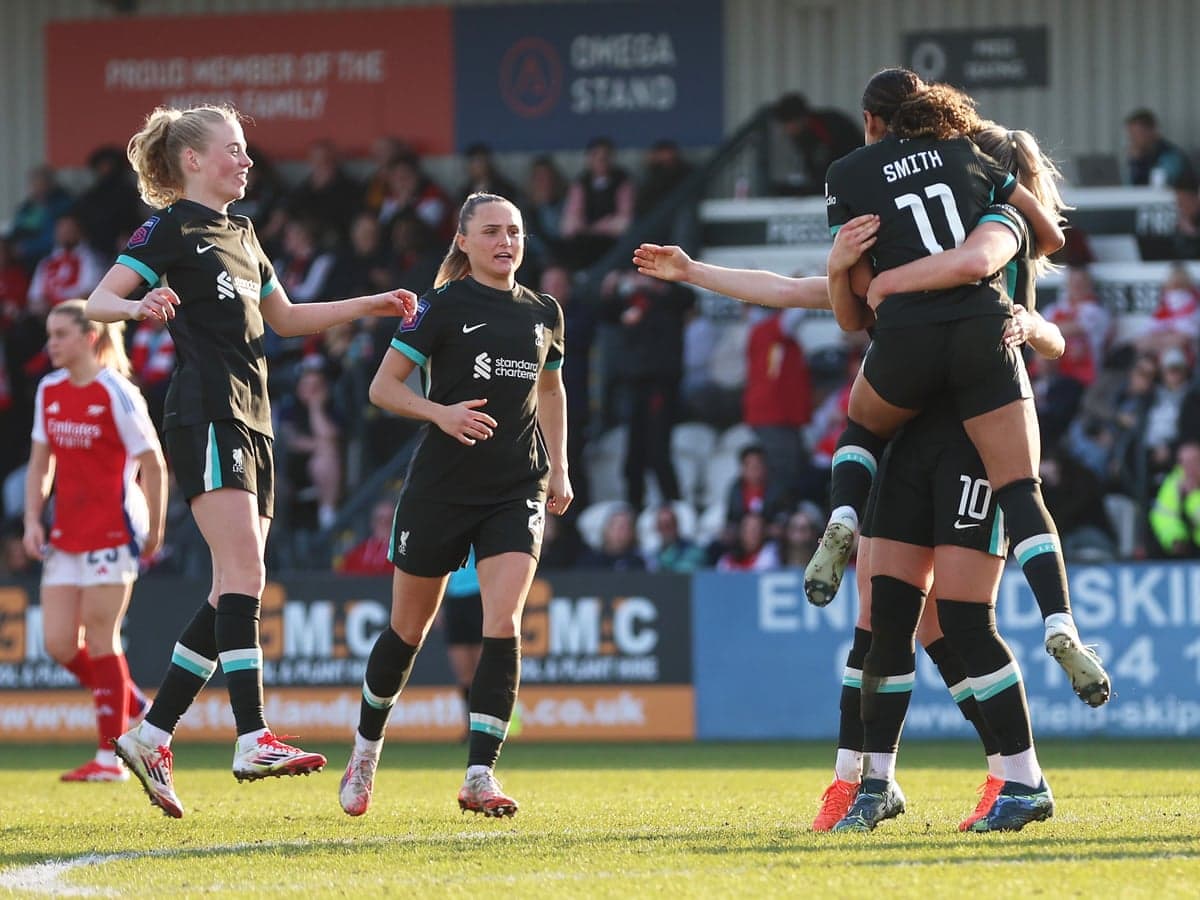
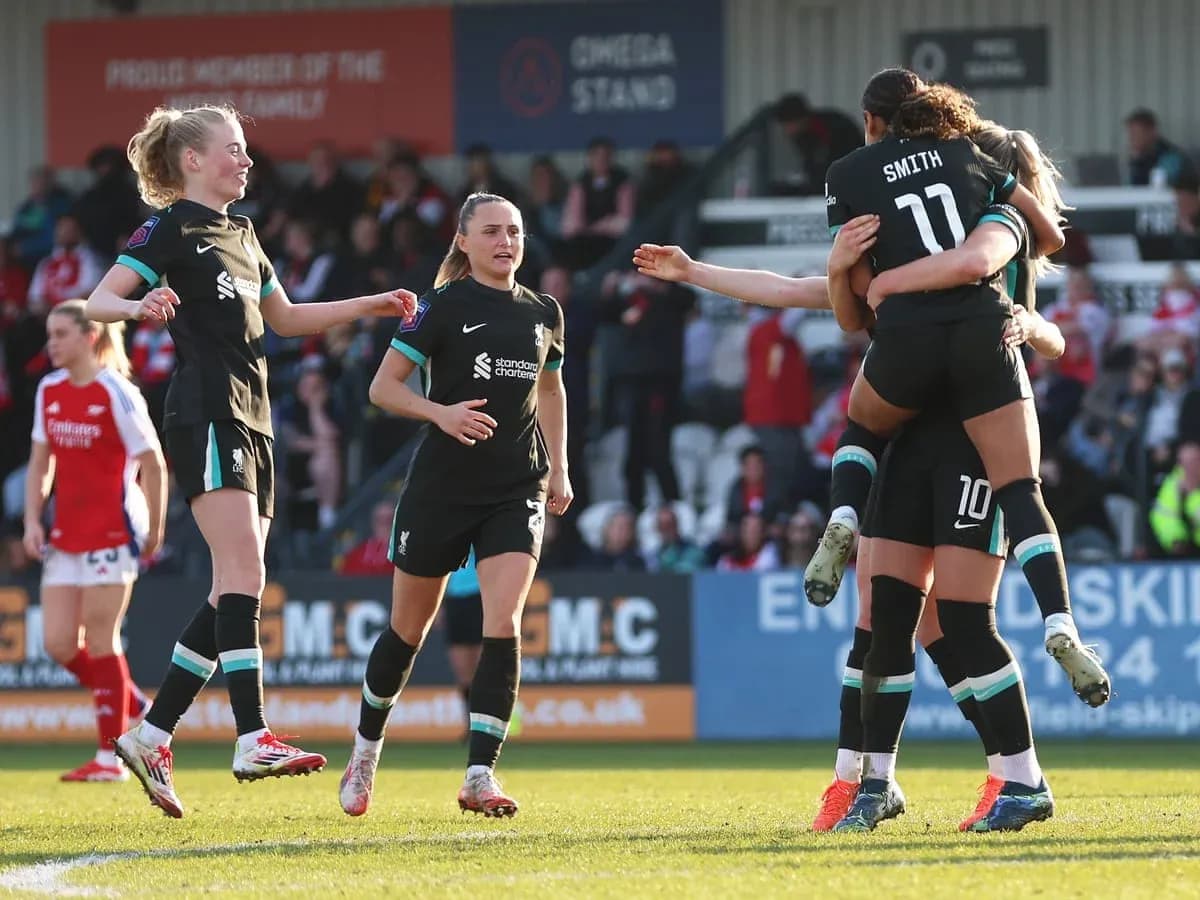
Anfield stages one of the most intriguing contrasts of the FA WSL season on 16 May 2026, as 11th‑placed Liverpool W host title‑chasing Arsenal W in the final stretch of the regular campaign. The stakes are starkly different: Liverpool are trying to drag themselves away from the relegation danger zone, while Arsenal arrive in Merseyside with Champions League qualification secured and still pushing to keep pressure at the very top.
With Liverpool on 17 points and a goal difference of -11 after 21 matches, and Arsenal on 48 points with a formidable +37 goal difference, this is a meeting between one of the league’s strugglers and one of its powerhouses. Yet Anfield, and Liverpool’s relatively competitive home record, offer a sliver of jeopardy for the visitors.
Form and momentum
In the league, Liverpool sit 11th with a record of 4 wins, 5 draws and 12 defeats, scoring 20 and conceding 31. The broader season form string across all phases — “LLLLLLDDLLDDWLWLWDWLL” — underlines how hard they have found consistency. Even their recent league form (“LLWDW”) is patchy: two wins in the last five suggest some resilience, but three defeats keep them under constant pressure.
At home, though, Liverpool are not as fragile as their overall table position suggests. In the league they have 3 wins, 3 draws and 4 defeats from 10 at home, with a perfectly balanced 12 goals scored and 12 conceded. They have kept 3 home clean sheets and failed to score in only 3 of those 10, which points to a side that can be competitive in front of their own fans even against stronger opposition.
Arsenal’s profile could hardly be more different. Second in the table with 48 points from 21 matches (14 wins, 6 draws, 1 defeat, 50 scored, 13 conceded), they are the division’s model of consistency. Across all phases their form string (“WWDDLWWDDWWDWWWWWWDW”) shows only one defeat in a long run and sustained winning streaks, including a longest sequence of six straight victories.
Away from home in the league, Arsenal have been excellent: 6 wins, 3 draws and just 1 defeat in 10, scoring 22 and conceding only 7. Five away clean sheets, and only two away games without a goal, reinforce their reputation as a side that travels well and controls matches.
Tactical outlook: structure versus firepower
Liverpool’s season statistics point to a team that often has to adapt to opponents. Their most used formation is 4‑1‑4‑1 (8 matches), followed by 4‑2‑3‑1 (4 matches), with occasional switches to 5‑4‑1 and 4‑3‑3. Against a technically dominant Arsenal, a 4‑1‑4‑1 or even 5‑4‑1 block feels likely, prioritising compactness between the lines and protection in front of the back four.
They average 1.0 goals for and 1.5 against per game across all phases, which underlines the challenge: they will probably need to be efficient rather than expansive. Their biggest home win this season has been 4‑1, showing they can strike when the game opens up, but their heaviest home defeat (1‑4) is a reminder of what happens if they are forced into a stretched contest.
Key to Liverpool’s attacking threat is Beata Olsson. With 4 league goals and 2 assists from 15 appearances, she is their joint‑top scorer in the WSL dataset and the main focal point up front. Her 11 shots (6 on target) and 7 key passes suggest a player who contributes both as finisher and link. Mia Enderby, with 3 goals and 2 assists from midfield across 21 appearances, adds vertical running and energy between the lines; her 21 dribble attempts and 88 duels underline her role as a ball‑carrier who can relieve pressure and carry Liverpool up the pitch.
Liverpool’s penalty record in the league (2 scored from 2) shows composure when chances do arrive from the spot, though no individual penalty takers are highlighted in the player data.
Arsenal, by contrast, have the depth and variety of a title contender. Jonas Eidevall’s side (as implied by their formations) typically operate in a 4‑2‑3‑1 — their most used shape (9 matches) — but can flex into 4‑4‑2 or 4‑3‑3. With 2.5 goals scored per game on average and only 0.7 conceded, they combine high output with defensive control.
Alessia Russo is central to that. With 6 goals and 2 assists in 20 appearances, a 7.45 average rating and 22 shots on target from 32 attempts, she is Arsenal’s leading scorer and a constant penalty‑box presence. Her 16 key passes and strong duel numbers (128 duels, 63 won) show she is more than just a finisher; she drops in, links play and occupies centre‑backs physically.
Stina Blackstenius adds a different threat profile. Despite starting only 7 of her 19 appearances, she has 5 goals and 2 assists, often changing games from the bench. Her 26 shots (14 on target) in limited minutes underline how direct and goal‑focused she is; Liverpool’s centre‑backs will have to cope not only with Russo’s movement but also with the fresh legs and penalty‑box instincts of Blackstenius if she is introduced later on.
Behind them, Olivia Smith has emerged as a creative hub. With 4 goals, 2 assists, 19 key passes and a 7.31 rating from midfield, she offers line‑breaking passing and late runs into the box. Out wide, Chloe Kelly’s 4 goals and 1 assist from only 299 minutes highlight how explosive Arsenal’s bench options can be, though her 4 yellow cards also indicate an aggressive edge in duels.
Arsenal have converted their only league penalty this season and have kept 10 clean sheets across all phases, reflecting a side that manages game states very effectively.
Head‑to‑head: recent history
The last five competitive meetings between these sides (league and FA Women’s Cup, no friendlies) show Arsenal with a clear edge, but with a notable recent twist.
- On 6 December 2025 in the FA WSL at Emirates Stadium, Arsenal W beat Liverpool W 2‑1.
- On 22 March 2025 in the FA WSL at Emirates Stadium, Arsenal W beat Liverpool W 4‑0.
- On 9 March 2025 in the FA Women’s Cup quarter‑final at Mangata Pay UK Stadium, Liverpool W beat Arsenal W 0‑1.
- On 15 December 2024 in the FA WSL at St Helens Stadium, Arsenal W beat Liverpool W 0‑1.
- On 28 January 2024 in the FA WSL at Prenton Park, Arsenal W beat Liverpool W 0‑2.
Across these five, Arsenal have 4 wins, Liverpool have 1, and there have been 0 draws. Importantly, Liverpool’s sole win came in a high‑stakes cup quarter‑final away from home, which offers them a psychological reference point even if the broader pattern favours Arsenal.
Discipline and game management
Liverpool’s card profile shows a tendency towards late‑game bookings: 61–75 minutes is their peak yellow‑card window, and both of their reds this season have come between 16–30 and 61–75 minutes. That suggests potential vulnerability if they are chasing the game and forced into risky challenges.
Arsenal, by contrast, have no red cards recorded and a more evenly spread yellow‑card distribution, with a slight spike in the final quarter of matches (76–90). Their ability to stay at full strength and manage tempo has been a key part of their away solidity.
The verdict
All the data points to Arsenal W as strong favourites at Anfield. They have the better league position, vastly superior goal difference, stronger form, and a dominant recent head‑to‑head record. Their attacking depth — Russo, Blackstenius, Smith, Kelly — and defensive record (only 13 conceded in 21 league games) suggest they have multiple ways to win this fixture.
Liverpool W, however, are not without hope. Their home record is competitive, their goal difference at home is neutral, and they have already shown in 2025’s FA Women’s Cup quarter‑final that they can edge Arsenal in a tight one‑off game. If they can keep the game compact in a 4‑1‑4‑1, lean on the work rate and running of Enderby, and find moments for Olsson in transition, they can make this uncomfortable for the visitors.
Realistically, though, Arsenal’s balance, squad depth and away form give them a clear statistical and tactical advantage. Liverpool’s best route to a result may be to slow the game, avoid the kind of open exchanges Arsenal thrive on, and hope to capitalise on set‑pieces or isolated counterattacks. Anything less than a strong defensive performance is likely to see Arsenal’s attacking quality tell over 90 minutes.