.svg&w=384&q=75 "Pitchgist logo")
Kylian Mbappé: From Goalscoring Star to Scapegoat at Real Madrid
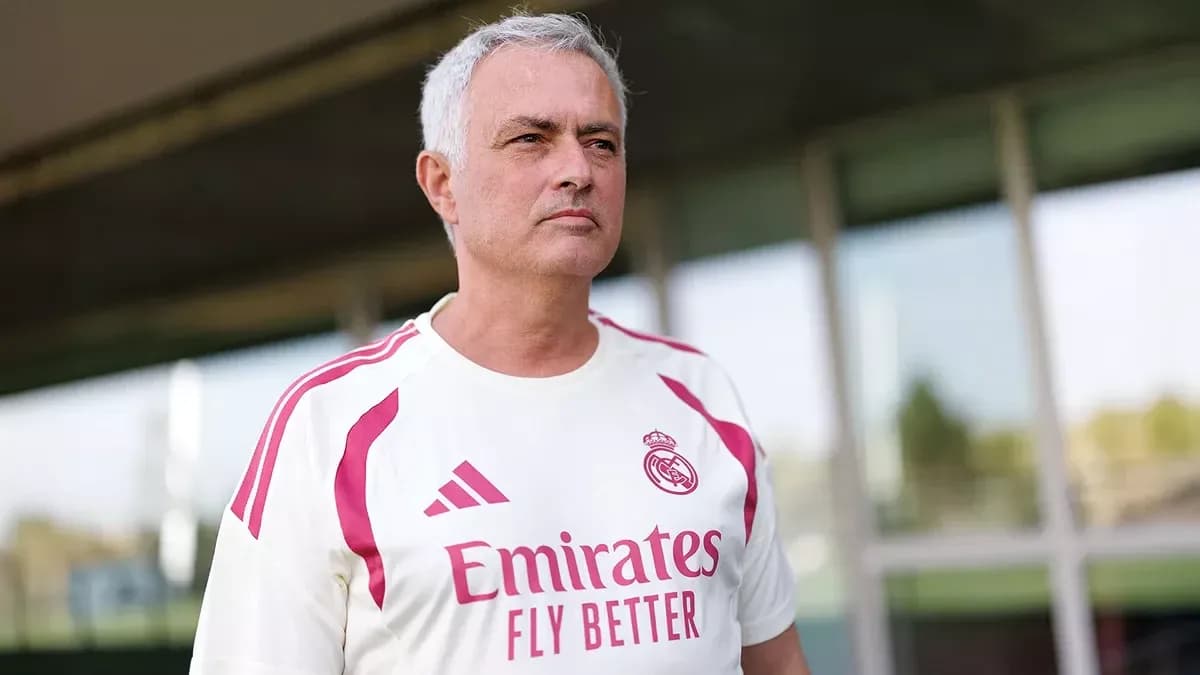
Kylian Mbappé is scoring goals at a rate that should make him untouchable. Instead, in Spain, he is the eye of the storm.
The Frenchman walked into Real Madrid in 2024 as the face of a new era, the free-transfer galáctico who was supposed to drag the club back to the summit. He has delivered 86 goals in 103 games. On paper, that is a roaring success. On the pitch, though, those numbers have been swallowed by something Madrid find far harder to digest: a trophy drought.
No major silverware since Mbappé arrived. At this club, that is not a statistic. It is an indictment.
A superstar under siege
The tension between Mbappé and the Spanish media has been simmering since the day he swapped Paris Saint-Germain for the Bernabéu. Each setback has turned up the heat. A poor result. A cup exit. A bad night in Europe. Each time, the spotlight has swung back to the biggest name in the dressing room.
He cannot simply have an average game. A quiet 90 minutes now comes with a price: a battering in print, on television, and across social media. His slow bedding-in period was initially the story. Then the narrative hardened. Every misstep, every missed chance, every grim look on the bench fed into a picture of a superstar who had not yet bent Madrid to his will.
The 2025-26 season broke something. Real Madrid fell away in the title race as Barcelona surged clear. Bayern Munich threw them out of the Champions League in the quarter-finals. Mbappé still finished beyond 40 goals, but they felt like background noise to a campaign defined by collapse.
The second half of that season told its own tale. After a blistering autumn and winter, his output dipped sharply. From mid-February to the end of the campaign, he scored just four times, his rhythm disrupted by niggling injuries and an increasingly toxic environment.
Flashpoint at Valdebebas
The mood around the club curdled as the run-in approached. The tension finally snapped in training.
Before a league meeting with Real Betis in late April, Mbappé clashed with a member of the backroom staff at Valdebebas. According to The Athletic, he launched a volley of abuse at a coach who had flagged him offside in a training game. It was a small incident in isolation, but it captured the wider picture: frayed tempers, thin patience, a dressing room on edge.
Then came the hamstring injury against Betis. Instead of staying at the training base to work his way back, Mbappé took advantage of time off and flew to Sardinia with his girlfriend, Spanish actor Ester Expósito. Photos of the couple on a yacht surfaced at the same time Real Madrid were grinding through a La Liga fixture against Espanyol.
The images did not land well.
Inside the club, eyebrows were raised. Outside, the reaction was ferocious. Coach Álvaro Arbeloa publicly backed his player, but the mood had already turned. An “Mbappé out” online petition went viral, racking up around 12 million signatures in under 24 hours and eventually surging past 70 million. For a player who arrived as the future of the club, it was a brutal snapshot of how quickly the relationship had soured.
He then missed the Clásico that effectively handed Barcelona the title, still declared unfit and excused from training with the would-be substitutes due to “discomfort”. By the time he returned to the bench against Real Oviedo in mid-May, the story had become as much about his status as his fitness.
“Fourth-choice striker” and a public rebuke
When Mbappé finally got on the pitch against Oviedo, the drama followed him off it. He did something he rarely does: stopped in the mixed zone to talk.
He told reporters he was “100 percent” fit and claimed he had been left out of the starting XI because Arbeloa had informed him he was now the “fourth-choice striker”. The comment detonated instantly. In a club where every word is parsed, this was dynamite.
Mbappé’s frustration, it was later reported, was tied in part to the earlier sacking of Xabi Alonso. The upheaval on the bench had left him feeling unmoored, and the idea that he had slipped down the pecking order cut deep.
Arbeloa was forced to answer the accusation head-on. “He must have misunderstood me, at no point did I say he was the fourth-choice striker,” he said in his press conference, fielding a barrage of Mbappé-related questions. Then came the sting. “A player who four days ago wasn’t even fit enough to make the bench for a match shouldn’t have started today.”
The Athletic described “growing disappointment” with Mbappé “from the dressing room to the board”. His camp pushed back, insisting that some of the criticism stemmed from “over-interpretation” of a recovery period that had been “strictly supervised by the club” and did not reflect his “commitment and daily work for the team”.
The damage, though, was done. The season ended with Real Madrid empty-handed and their marquee forward cast as both symbol and scapegoat of a project gone awry.
Freedom in blue
Then came the World Cup. A change of shirt, a change of continent, a change of mood.
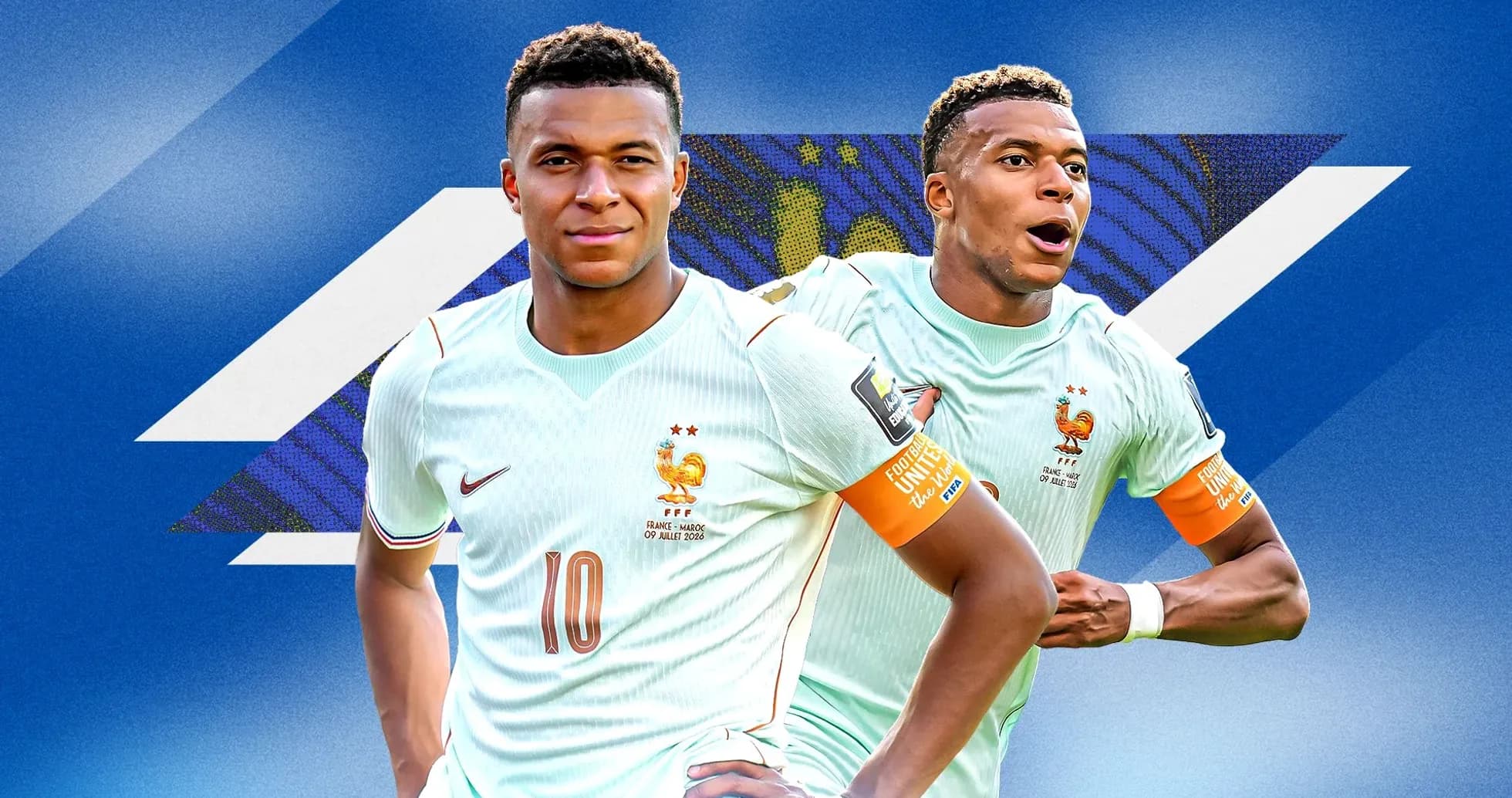
In North America, far from the daily noise of Madrid, Mbappé has looked like himself again. The striker has been ruthless, scoring eight times to haul France toward another shot at glory.
He has torn through defences with a trio of braces against Senegal, Iraq and Sweden. He converted the winner from the spot against Paraguay. He then produced a stunning opener against Morocco in the quarter-finals, a reminder of his ability to decide the biggest games with a single moment.
Even on the one night he did not score – against Norway in the group stage – he still shaped the match, laying on two assists. His influence has been constant, his threat relentless.
Those eight goals place him level with Lionel Messi at the top of a gripping Golden Boot race. They also lift his career World Cup tally to 20, just one behind Messi’s 21. At 27, Mbappé stands on the brink of becoming the tournament’s all-time leading scorer, whether in 2026 or in the editions that follow.
In the dark blue of France, he carries a different weight. He is not just a star. He is the captain, the reference point, the undisputed talisman of Didier Deschamps’ side.
A dressing room that has his back
Inside that France camp, there is little patience for the narrative that has built around Mbappé in Spain.
“The criticism towards him is very, very unfair,” Ousmane Dembélé said on the eve of the World Cup. He described Mbappé as “an incredible player and a very good person off the pitch,” and railed against the obsession with his every move. “Some people overdo the criticism because he’s Kylian Mbappé. They shouldn’t keep going after him. Whether he ties his shoelaces or not, whether he pulls up his socks or not… it’s too much. He’s still a human being. With the France team, he’s very good with us, he’s a leader.”
Defender Lucas Hernandez struck a similar tone. “Kylian is an extraordinary player. When you’re Kylian Mbappé, everyone looks at everything you do, on the pitch and off the pitch. All the criticism there has been this season, he’s going to silence it.”
That belief has been borne out on the field. Surrounded by team-mates who trust him and a coach who has built a system around his strengths, Mbappé has responded in the most direct way he knows: by deciding games.
Spain’s uneasy relationship with its superstar import
Back in Spain, the picture is more complicated.
There is no debate about Mbappé’s talent or his numbers. The questions lie elsewhere: leadership, ego, body language, behaviour away from the pitch. A global superstar inevitably attracts more scrutiny than most, and Spain’s uneven record in its treatment of black players forms part of the backdrop to the discussion.
“In Spain, we are famous for making stories out of the little that we see of players,” Spanish journalist Guillem Balagué told the BBC in May. “The jury remains out with Mbappé. He seems a little bit too cold and too distant with the Madrid fans – I remember Raúl telling me that one thing they appreciate is players running for the impossible ball. People love it.”
Winning, of course, would change everything. It always does at Real Madrid. But the club has not been winning, and so the debate sharpens.
“The question is, are they not winning because the managers haven’t been able to get the best out of Mbappé, or because he is not adapting quick enough?” Balagué asked. When Mbappé first arrived, he says, the forward went through a spell of “complete humbleness”, doing what he was told under Carlo Ancelotti. Then came a turning point: two missed penalties, against Liverpool and Athletic Club, left him “really down” and convinced him to “do it my own way”.
The goals followed, and the numbers under Ancelotti were excellent. This season, though, the chemistry has been missing, whether under Alonso or Arbeloa. The disconnect between player, team and stands has widened, feeding the sense that Madrid have not yet worked out how to harness their most dangerous weapon.
A semi-final with layers
Now comes Spain. A World Cup semi-final against the country where he lives, works, and divides opinion.
Mbappé knows the stakes. “There is only one scenario where you can relax and that is winning the World Cup,” he said before the showdown. “When you play for France, if you don’t win, you get heavily criticised. We have a tightly-knit squad driving toward a single objective: victory. We are in the semi-finals, but the road is still long, and the most challenging matches lie ahead of us.”
He speaks like a man who understands that criticism is part of the job, that the noise will never fully disappear. What he can control are nights like the one looming now: 90 minutes, maybe 120, to tilt a tournament and reshape a narrative.
In Madrid, some see a problem. In France, they see their leader. If he sends Spain’s European champions home and carries this form back into the club season, the same voices that hounded him may have to ask themselves a harder question: were they judging the player, or the void where their trophies used to be?