.svg&w=384&q=75 "Pitchgist logo")
Kevin Keegan: Bridge Between Liverpool and Hamburg
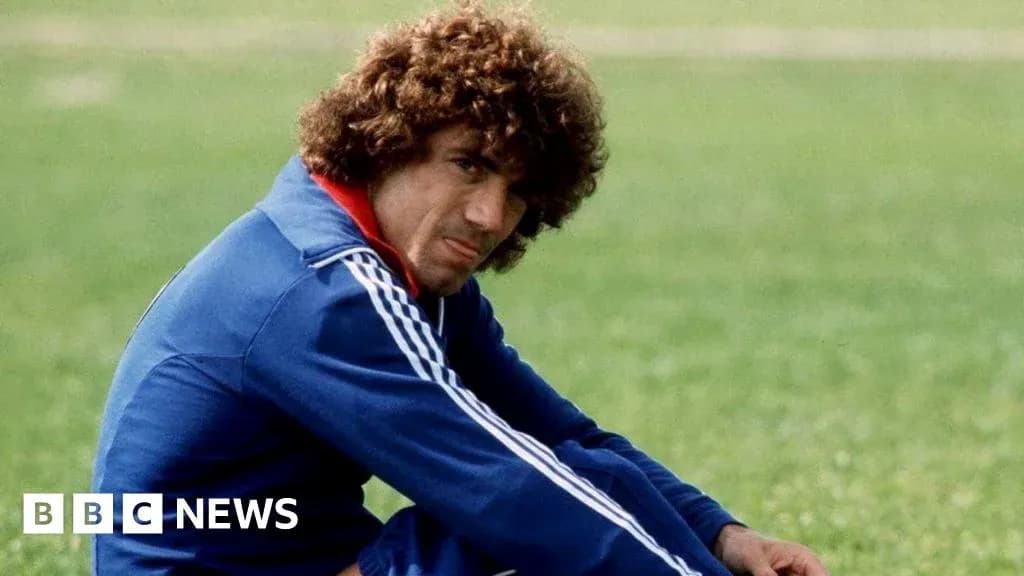
Kevin Keegan’s life in football has always been told through medals, goals and glittering nights under floodlights. This week, another story came into focus – one of a man who joined two cities and never stopped caring about either of them.
Liverpool City Region Mayor Steve Rotheram has described the late Liverpool and England great as a “bridge between two great cities” in a heartfelt letter to the mayor of Hamburg, Dr Peter Tschentscher, following Keegan’s death on Monday at the age of 75.
Keegan, one of English football’s most decorated players, left Liverpool FC in 1977 for Hamburg SV in what was then a record transfer. By that point he had already helped deliver seven major honours at Anfield, including the club’s first European Cup, fittingly on his final appearance before heading to Germany. He would go on to win the Ballon d’Or twice, a mark of his stature on the continent as well as at home.
Rotheram revealed that Keegan had been due to return to Hamburg alongside him for the city’s annual Harbour festival, the Hafengeburtstag, but a cancer diagnosis meant the former striker was unable to travel. The mayor’s letter, seen by the Local Democracy Reporting Service, lays bare just how much that absence hurt Keegan.
“He was intending to join us at your port anniversary celebrations – the Hafengeburtstag – until his cancer diagnosis changed his plans,” Rotheram wrote. “He was devastated not to be attending, but he did provide me with a personal note that I felt honoured to read out on the Liverpool stage on the banks of the Elbe.”
The tribute captures the duality of Keegan’s standing on Merseyside. “For one half of our football-mad city, Kevin was a footballing hero, for the other, a well-respected irritant on derby day,” Rotheram said, acknowledging how the former forward tormented Everton while becoming a symbol of Liverpool’s rise in the 1970s.
“He was not just a Liverpool FC legend and one of the most beloved figures our city has ever known,” the mayor continued. “When Kevin left our shores for Germany in 1977, he did more than make a then-record transfer between two football clubs. He built a bridge between two great cities.”
That bridge, Rotheram argued, ran both ways. Keegan’s success, he said, “belonged equally to Liverpool and Hamburg”, where the Englishman was “admired and loved”. For Rotheram, Keegan personified a simple idea that football often claims but rarely lives up to: “To me, he embodied better than anyone else that famous maxim: football is the people’s game.”
The relationship between the two ports, anchored in music, culture and football, has been repeatedly celebrated over the years. Keegan’s career has featured in a special exhibition highlighting the links between Liverpool and Hamburg, and the former forward remained invested in that story long after his playing days ended.
“As you may remember, Kevin wrote some words for me to convey to the large audience at the Liverpool City Region pavilion back in May,” Rotheram recalled. His own “pidgin German and broad Scouse accent” did not blunt the impact. “They received a warm response,” he said. “Kevin may have left both cities many years ago, but he never truly left our hearts.”
Rotheram chose to share Keegan’s message to Hamburg again in his condolence letter to Dr Tschentscher. It was simple and typically direct. “In Kevin’s words, once again: Forgive my Plattdeutsch, but I love Hamburg.”
The closing lines of the mayor’s letter framed Keegan not just as a former player, but as a shared son of two football cultures. “On behalf of the people of Liverpool, we send our deepest condolences to Kevin’s friends, the HSV family and the people of Hamburg. Thank you for loving him as we did. You’ll Never Walk Alone.”
In life, Keegan crossed the North Sea to test himself in a new league and a new language. In death, the bond he helped forge between Liverpool and Hamburg still holds.