.svg&w=384&q=75 "Pitchgist logo")
Fenway Sports Group Committed to Liverpool's Future
Fenway Sports Group are not going anywhere.
Despite a swirl of fresh speculation and conversations with some of the biggest names in global business, Liverpool’s owners remain adamant: they are staying in charge at Anfield and are only entertaining what they describe as “strategic investment”, not a sale.
Ownership staying put, not cashing out
Talk of outside money has again dragged Liverpool into the ownership spotlight, but sources close to the situation are clear. John W. Henry and Tom Werner are said to be “as committed as ever to Liverpool” and still see the club as a long-term pillar of the FSG empire, not an asset to be flipped.
The message from Boston is blunt. Any new money must strengthen Liverpool’s ability to compete at the very top, on and off the pitch. It is about sharpening the club’s edge, not laying the groundwork for an exit.
FSG bought Liverpool from George Gillett and Tom Hicks in 2010 for around £300 million and have since presided over a sweeping overhaul of the club’s infrastructure. Anfield has been redeveloped, the AXA Training Centre built, and football operations significantly upgraded. Inside the ownership group, there is a firm belief that Liverpool now rank among the best-equipped clubs in the world.
That confidence underpins their stance. They do not see a reason to walk away.
Big names at the table – but only for a slice
That does not mean the phone lines are quiet. Far from it.
TEAMtalk understands that FSG have held discussions with a number of high-profile potential investors as they test the market for the right strategic partners. Among those to have spoken with the group is former Queens Park Rangers co-owner Amit Bhatia, with sources confirming exploratory talks have taken place.
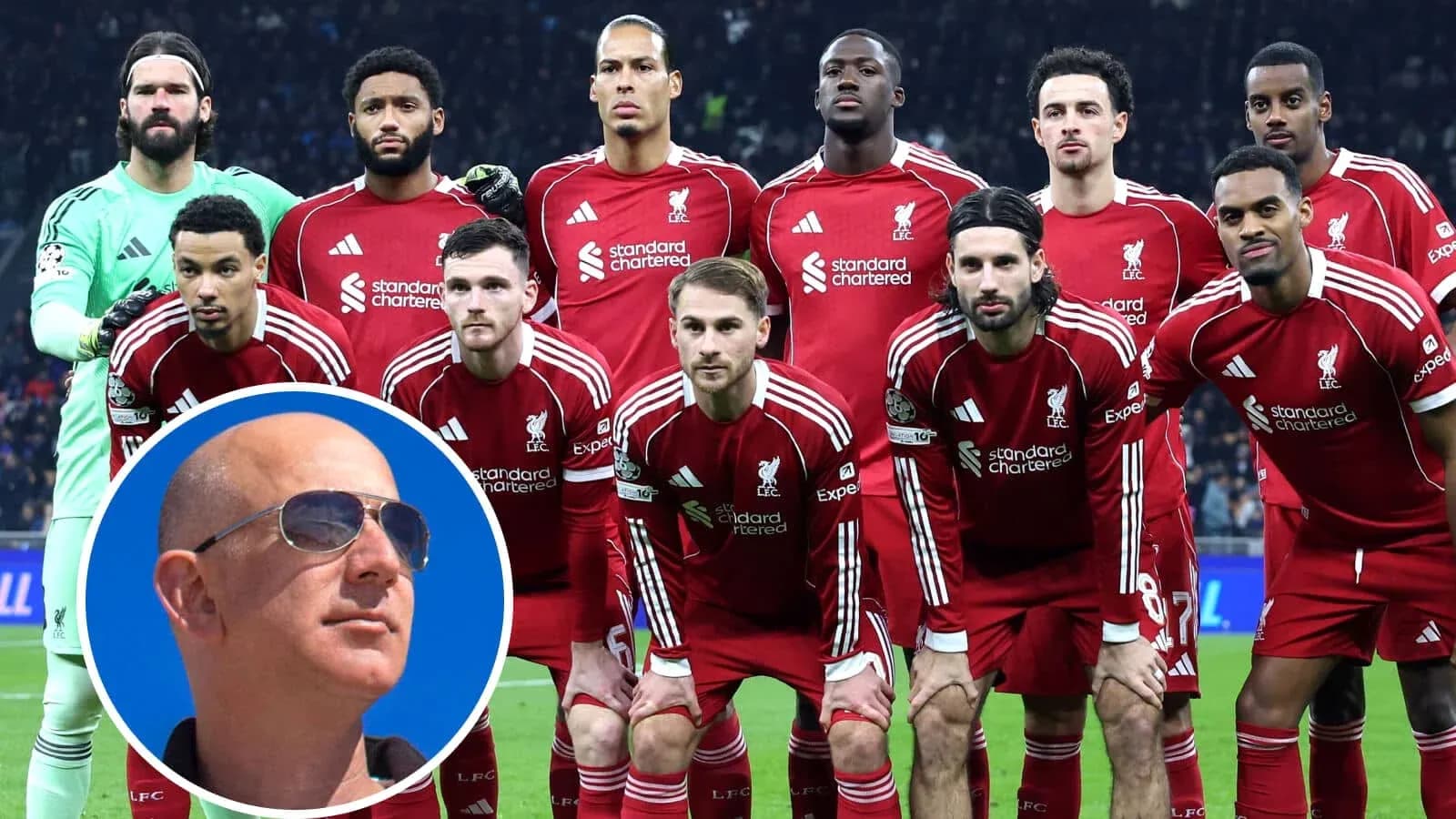
Exploratory is the key word. These are conversations, not negotiations over a full or majority sale. The same applies to other heavyweight figures who have been sounded out, including Amazon founder Jeff Bezos, who has been linked with a possible investment.
The temptation is to see those names and assume the owners are preparing to cash out. Sources close to FSG insist that reading is wrong. They point instead to the club’s recent history as the template.
In 2011, NBA superstar LeBron James and business partner Maverick Carter acquired a small minority stake in Liverpool. FSG viewed that move as strategically valuable, boosting the club’s global profile rather than altering control. A decade later, in 2021, James increased his holding and became a major partner in the club’s wider structure.
That is the model FSG want to repeat: minority investors who bring more than just money.
TEAMtalk understands that the owners are open to welcoming such partners, but only on their terms and only where the investment clearly benefits Liverpool’s continued growth. There is, sources stress, no appetite inside FSG to relinquish control. They are convinced the club are well positioned for sustained success and are determined to keep Liverpool among Europe’s elite for years to come.
Backing Iraola and the next rebuild
All of this plays out against a football backdrop that demands attention of its own.
Inside Anfield, the focus is on giving Andoni Iraola the tools to rebuild a squad capable of standing toe-to-toe with Europe’s best and dragging Liverpool back into serious trophy contention after a flat campaign under Arne Slot.
A new winger sits at the top of the recruitment list. On Thursday, it emerged that Bradley Barcola has the power to force Paris Saint-Germain into a sale and potentially seal what has been described as an “absolutely outrageous” move to Anfield. That kind of deal, if it materialises, would underline both Liverpool’s pulling power and FSG’s willingness to back their manager in the market.
The club have also been linked with a dramatic hijack for Maghnes Akliouche, but sources have poured cold water on that angle, clarifying why such a move is not on the cards and indicating that the Monaco talent already has a different destination lined up.
So the picture is clear. FSG want sharper edges, not a clean break. Minority partners, not new rulers. The next question is simple and far more brutal: with the money and structure they believe they have built, can Liverpool’s next iteration under Iraola live up to the ambition coming from the boardroom?