.svg&w=384&q=75 "Pitchgist logo")
England's Thrilling Win Over Croatia: Defensive Concerns Arise
England 4-2 Croatia in the book, four goals on the board, attacking talent purring. Yet as the dust settled, the conversation around this World Cup opener kept circling back to something else: the goals they gave away, and what they say about this team’s spine.
Rooney’s warning: “England can do better to prevent it”
Wayne Rooney has seen enough big tournaments to know that the margins at this level are brutal. Looking at Croatia’s first goal, he didn’t sugar-coat it.
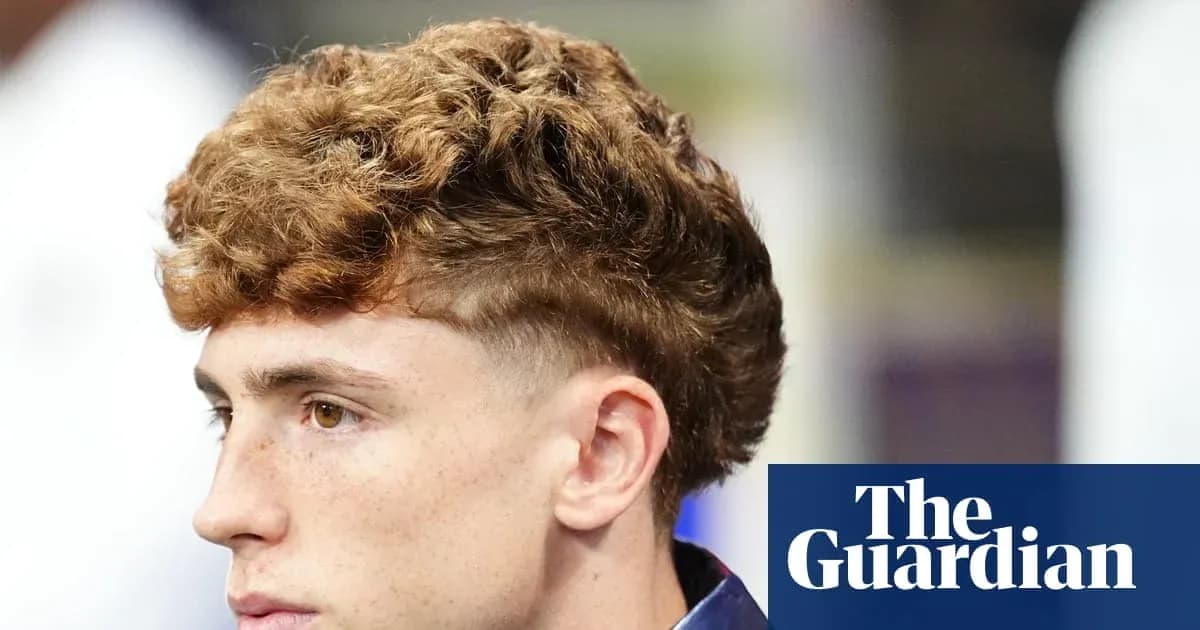
From his point of view, the move unravels too easily. Jude Bellingham, usually so sharp, gets caught a touch flat-footed, allowing the defender to step in and win the ball. John Stones, Rooney argues, doesn’t need to go to ground. There’s no immediate danger, Jordan Pickford is well positioned, and yet Stones dives in, gambles, and the whole defensive shape tilts.
That forces Nico O’Reilly to slide across, Croatia work a neat set and cut-back, and the finish is clean. From their perspective, it’s an excellent goal. From England’s, Rooney sees a series of small decisions that turn a routine situation into a concession.
Then there’s Pickford. Rooney stops short of outright blame, but the standard is clear. The goalkeeper gets a full hand to the shot. The ball travels quickly, the strike is good, yet Rooney’s instinct as a former striker is unforgiving: if a keeper reaches it like that, he’ll feel he should keep it out. For him, that goal is as much about what England didn’t do as what Croatia did well.
Richards: England “played into Croatia’s hands”
Micah Richards went even broader with his criticism. For him, both Croatia goals sit in the “avoidable” category.
He saw an England side that, despite having the legs and energy to dominate, allowed Croatia’s technicians to dictate too many of the key passages. By dropping a little too deep at times, England invited pressure and gave Croatia’s best players exactly what they wanted: time on the ball in dangerous areas.
Richards’ argument is simple: if England step 10 or 15 yards higher, those situations barely develop. The intensity was there, the fitness was there, but the structure gave Croatia oxygen.
He also pointed to the bench as a crucial weapon for the rest of the tournament. The ability to inject fresh energy and maintain that higher line, that front-foot aggression, could decide knockout games. Last night underlined that England can run over opponents – but only if they set the terms of engagement.
Stones, Konsa and Tuchel’s defensive dilemma
Thomas Tuchel made a clear call at the heart of his defence: John Stones and Ezri Konsa as his central pairing. On paper, it offers balance and ball-playing ability. On the pitch, it looked anything but settled in that first half.
Stones, short of minutes at Manchester City last season, saw plenty of the ball here. He often stepped in to start moves, taking responsibility to build from the back. That suits his game, but it comes with risk. When England lost control in midfield, those risks felt magnified.
Alongside him, Konsa – one of Tuchel’s regulars since taking charge – showed glimpses of his usual calm. He stepped out smartly at times, read danger early on others. Yet even he looked short of rhythm next to a partner he hasn’t fully synced with at this level. The understanding wasn’t quite there, and Croatia were sharp enough to exploit the gaps.
So the question lands squarely on Tuchel’s desk before Ghana: does he double down on Stones and Konsa, trusting that familiarity will grow with minutes? Or does he turn to Marc Guéhi to steady the picture, sacrifice a little on-the-ball adventure for a touch more defensive security?
It’s not a theoretical debate anymore. England have already shipped two in a game they largely controlled.
Gordon’s grounded debut: “Self-centredness is a disease”
Amid the tactical autopsy, Anthony Gordon’s night carried a different kind of weight. A first World Cup appearance, a landmark he has chased since he was a kid, and he didn’t hide what it meant.
He called it “special”, the culmination of a wild few weeks, but then immediately pushed the spotlight away from himself. “It is not about me,” he said, adding that “self-centredness is a disease” he wants no part of.
For Gordon, this is about the collective. He name-checked Marcus Rashford, Bukayo Saka and Morgan Rogers, all of whom came on and made an impact. That, in his eyes, is the point of this England: waves of attacking quality, different profiles, all feeding into the same goal.
On the match itself, he admitted the first half was “difficult”, that Croatia’s goal “came from nowhere and stunned us a little bit”. The response, though, pleased him. England came out after the break with intent, imposed themselves, and “got what we wanted”. He also stressed that Croatia’s quality “can’t be underestimated” when people look back at the game. It was a reminder that these opponents won’t simply fold because England have big names on the teamsheet.
Rashford’s response – and a club future still in flux
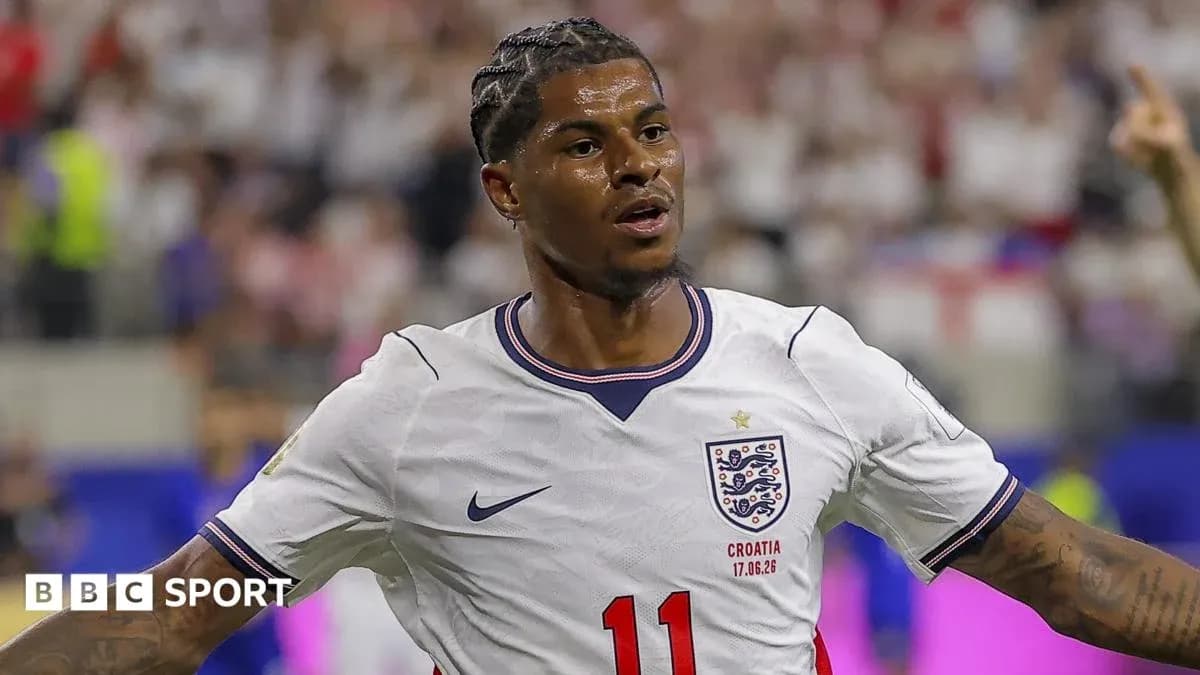
One of those names off the bench was Marcus Rashford, and he didn’t waste his window. A goal, a lively cameo, and a timely reminder of what he can still offer at the sharp end of the pitch.
Away from the World Cup, his situation is far more tangled. On 1 July, Rashford officially becomes a Manchester United player again after Barcelona chose not to trigger a £26m option to buy the 28-year-old. United’s stance is firm: they want £40m, they believe his value reflects that, and they are not interested in another loan deal, which is what Barcelona are pushing for.
His contract complicates the picture. Two years left on a £325,000-a-week deal means only a handful of clubs can realistically join the conversation. United cannot force him out, and any move will have to align with his wishes as much as their valuation.
For now, the plan is straightforward. After the mandatory three-week post-World Cup break, United expect Rashford back in time for a training camp in the Republic of Ireland. Between now and then, the market will move, conversations will continue, and his performances in this tournament will sit in the background of every negotiation.
What is clear is that nights like this help. A goal, a surge of confidence, the sense that he still belongs on this stage – all of it feeds into the next decision in a career that has reached a crossroads.
England, for their part, move on with three points, four goals, and a reminder that their attacking ceiling is as high as anyone’s. Whether their defence can rise to meet it will define how long this World Cup adventure lasts.