.svg&w=384&q=75 "Pitchgist logo")
England's Palm-Cooling Tech for World Cup Heat
England’s World Cup preparations in the United States are not just about tactics, pressing triggers or set-piece routines. They are about temperature. Specifically, how to keep 11 players from boiling over when the tournament kicks off in conditions that will test lungs, legs and concentration.
With forecasts suggesting at least a third of World Cup fixtures will be played in temperatures above 26C, England have arrived in West Palm Beach, Florida, armed with an unlikely weapon: high‑tech palm‑cooling devices.
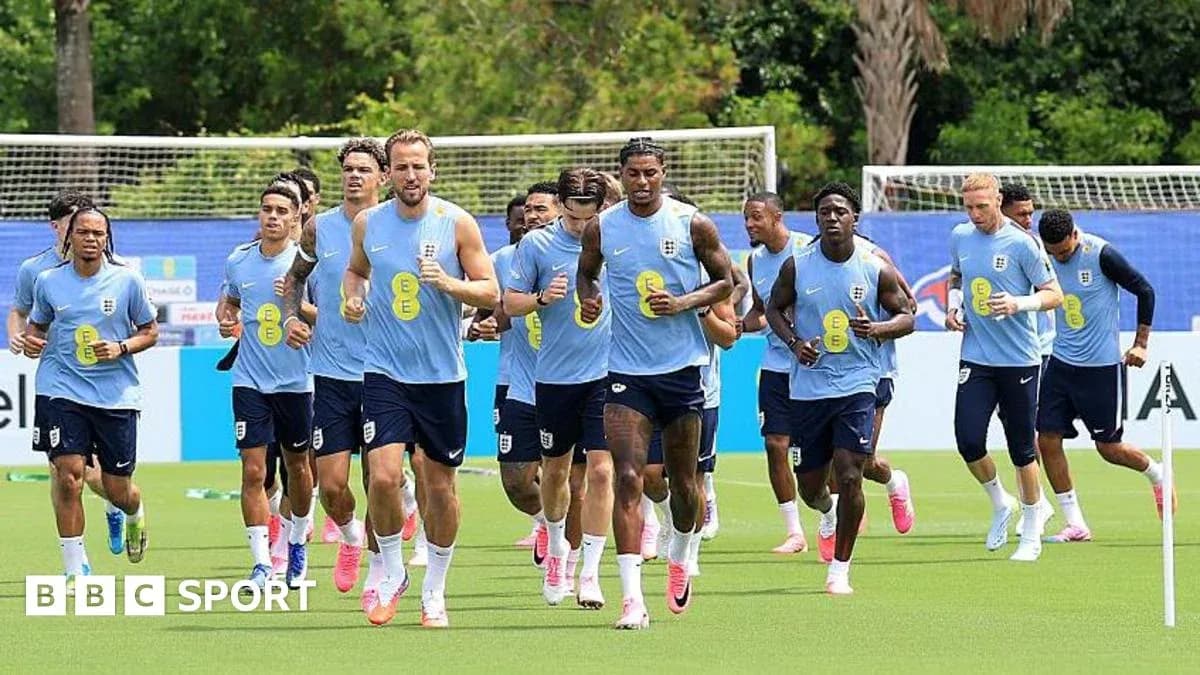
On Tuesday, as the squad stepped out for their opening training session, the thermometer hit 32C. The heat wrapped around the players, the kind that lingers even when the sun dips and turns every sprint into a small act of endurance. This is exactly why the technology has come with them.
The devices, already in use at elite clubs such as Manchester United, target one of the body’s most effective heat‑exchange points: the palms. Research indicates that cooling the palms can sharply reduce core body temperature, accelerating recovery and allowing athletes to sustain higher levels of performance for longer. In a tournament where margins are thin and schedules unforgiving, that kind of edge matters.
England plan to use the equipment during training and, crucially, during official water breaks in World Cup matches. Those brief pauses, usually treated as a chance for a sip and a shout from the touchline, could become mini reset moments, helping players bring their temperature down and their focus back up.
Acclimatisation
Jordan Henderson underlined how central acclimatisation is to the opening phase of camp. For him, this first week is about “build[ing] capacity to the conditions”, a deliberate push to get bodies used to the heat before the real pressure starts. The warm-up games, he said, will serve that purpose as much as any tactical rehearsal.
The Brentford midfielder was quick to highlight the work being done off the pitch, praising the “team behind the team” and their “top level research” into “cool down and recovery”. England’s backroom staff have spent months trawling through data and sports science to find ways of squeezing extra performance out of the same players. Palm‑cooling is the latest product of that search.
“Hopefully that can give us a little edge when we get into the tournament,” Henderson added. It is a simple line, but it cuts to the heart of modern tournament football: everyone has analysts, everyone has nutritionists, everyone has GPS vests. The question is who uses the science best when the heat hits hardest.
Upcoming Matches
Before the World Cup begins, England will test both their conditioning and their cooling methods in two friendlies. New Zealand await on Saturday, 6 June (21:00 BST), followed by Costa Rica on Wednesday, 10 June (21:00). Those matches will not just be about combinations and selections; they will be live rehearsals in managing energy, hydration and temperature under match conditions.
Then comes the real thing. Thomas Tuchel’s side open their World Cup campaign against Croatia on Wednesday, 17 June (21:00), a fixture that will immediately reveal how well England have adapted to the climate and the intensity. Ghana follow on 23 June (21:00), with Panama on 27 June (22:00) completing the group schedule.
By then, the sight of England players gripping futuristic cooling devices during breaks may be as familiar as water bottles and tactical boards. The question is whether this blend of science and sweat can carry them deeper into the tournament, when the heat — in every sense — only rises.