.svg&w=384&q=75 "Pitchgist logo")
Liverpool’s Rebuild: Life After Salah and a £300m Challenge
Liverpool have barely caught their breath from one record-breaking window and the next one already looms like a storm over Anfield.
Jeremy Jacquet is on his way from Rennes, a £60m centre-back signed early to stiffen a defence that has leaked more than 50 Premier League goals this season. It is a bold, expensive first move. It will not be the last.
Add Jacquet’s fee to last summer’s eye-watering £446m outlay and Liverpool’s recent spending surges past half a billion. Yet the squad still carries holes you can see from the Kop. Two of them are enormous and familiar: Andy Robertson and Mohamed Salah.
Defence: Jacquet in, questions everywhere
Jacquet arrives as the new pillar at the back, a compatriot who could eventually step into the space Ibrahima Konaté might leave. Liverpool hope it never comes to that.
Konaté has yet to sign a new contract, but there is a quiet confidence around the club that their No. 5 will stay rather than drift towards a free transfer exit. If he does commit, the urgency for more central defenders drops sharply. Virgil van Dijk is set to remain, Giovanni Leoni is expected back from injury in the summer, and Jacquet’s presence gives the back line a very different profile.
The flanks are another story.
On the right, Conor Bradley is not expected to feature again this year. Jeremie Frimpong and Joe Gomez can both operate there, but neither offers long-term security. Frimpong’s fitness record and Gomez’s versatility mean both are more fire-fighting options than foundations. If Liverpool do not sign another right-back, they risk shunting Curtis Jones or Dominik Szoboszlai into emergency duty out wide. That would weaken two positions at once.
On the left, the Robertson era is fading. His replacement might already be in the building. Kostas Tsimikas is due back and Milos Kerkez arrived in last summer’s spree, giving Liverpool a potential succession plan without entering another bidding war. It is pragmatic, if not glamorous.
Behind them all sits another potential fault line. If Alisson decides to move on, the goalkeeper position joins the list of urgent issues. For now, that remains an “if”, but it hangs over the planning.
Midfield parked, for now
Midfield, for once, is not the main headache. Provided no major departures materialise and Jones and Szoboszlai are not dragged into full-back cover, Liverpool have numbers and variety in the centre of the pitch.
The debate is about quality, not quantity. Alexis Mac Allister’s season has invited scrutiny, and others have blown hot and cold, but with so many other fires to put out, midfield upgrades can wait. Just not forever.
The Salah void
Out wide, there is no such luxury.
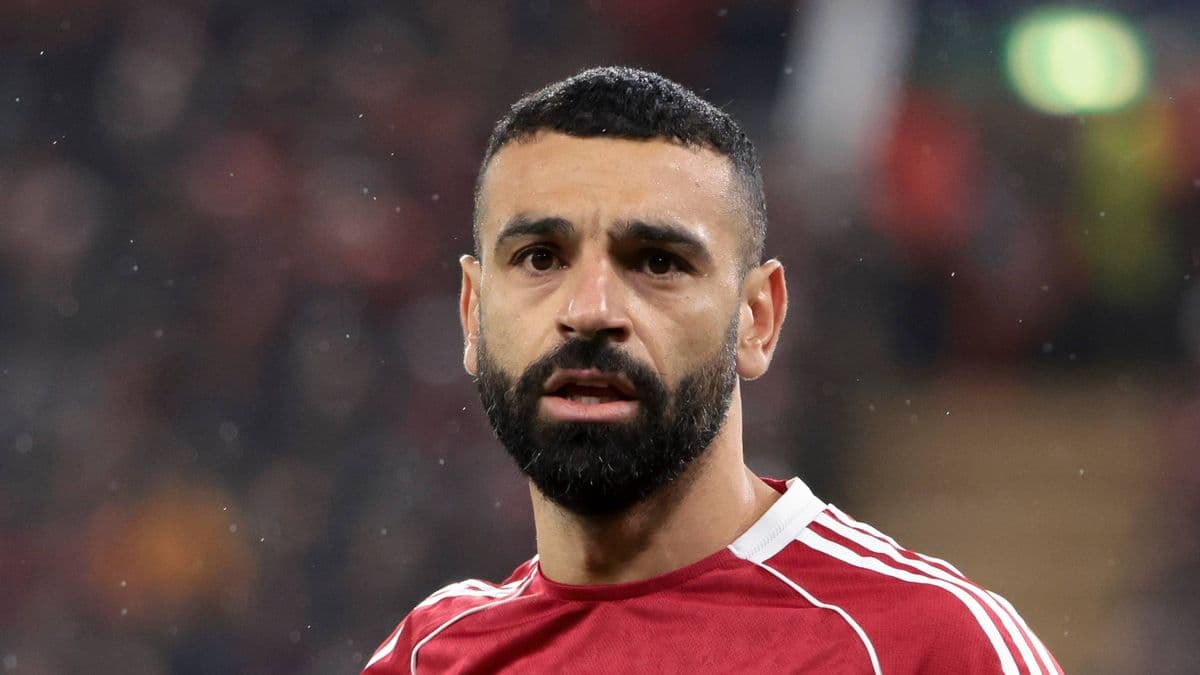
Mohamed Salah is leaving. Replacing a player who has defined an era at Anfield is not a normal transfer problem; it is a generational one. Rio Ngumoha has turned heads with his potential, but asking a teenager to step into the boots of one of Liverpool’s all-time greats would be reckless.
The solution cannot be one man. It has to be a mosaic.
Liverpool know that model well and their recruitment radar keeps sweeping across familiar territory. RB Leipzig has been a favoured hunting ground, and it makes sense to look there again. Antonio Nusa and Yan Diomande stand out as realistic, high-ceiling options.
Both are young, both are exciting, and both could be prised away for a combined £150m, with most of that sum likely required to land Diomande. That kind of fee underlines how brutal the market becomes when clubs know you are trying to replace a superstar.
Yet the numbers tell another story. Expecting a 21-year-old and a 19-year-old to shoulder the Salah burden between them is asking for trouble, however talented they are.
Barcola and the £300m attack
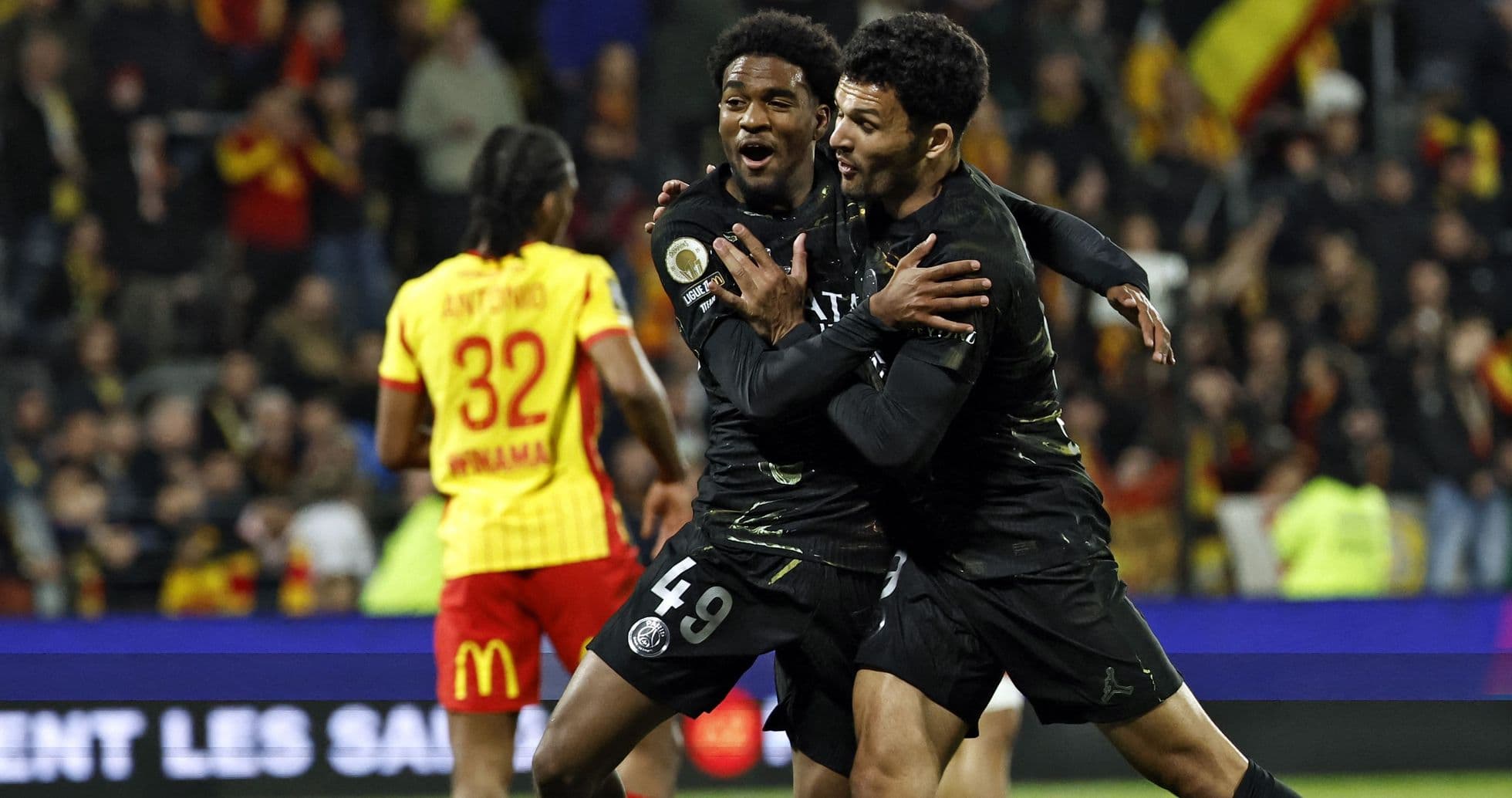
This is where Bradley Barcola enters the picture.
The Paris Saint-Germain forward brings something different: a player already battle-tested at the highest level, already a Champions League winner, and still with years of development ahead of him. He can play wide, he can operate centrally, and like Nusa he offers tactical flexibility that modern managers crave.
That versatility matters. With Hugo Ekitike sidelined until at least autumn and Alexander Isak carrying a heavy load through the middle, Barcola’s ability to drift inside and link play would ease the strain on Liverpool’s main striker next season. He is not a like-for-like Salah clone. No one is. He is another piece of a new attacking puzzle.
He would not come cheap. A deal for Barcola is expected to land around £70m. Stack that on top of Jacquet’s £60m and the projected outlay on Nusa and Diomande, and Liverpool are staring at a summer bill close to £300m.
That kind of investment would not just be about patching holes. It would be about redefining an attack, redistributing responsibility, and accepting that the Salah era cannot be replicated, only replaced by something different.
Jacquet at the back, a rebuilt right flank, a left side reshaped without Robertson, a forward line rebuilt by committee rather than crowned by one king.
Liverpool have made their first move. The rest of the window will decide whether this is a controlled evolution or another wild, expensive gamble in a league where standing still is not an option.