.svg&w=384&q=75 "Pitchgist logo")
GPA Demands Greater Player Representation in Gaelic Games
The Gaelic Players Association has thrown down a clear marker: almost every euro it earns goes back into the players – and it now wants a far louder voice at the top tables of Gaelic games.
According to its annual report released this morning, the GPA channels 97% of its revenue directly into player welfare and development programmes. In an era where athletes are increasingly demanding a say in how their sports are run, the numbers are only half the story. The message is the rest.
Players demand seats at the power table
At Monday night’s AGM, members backed a motion calling for “formal, structured player representation on all key decision-making bodies affecting inter-county players within integrated GAA structures such as Central Council, provincial councils and county boards”.
Right now, the GPA holds a single seat at Central Council. That presence is no longer enough.
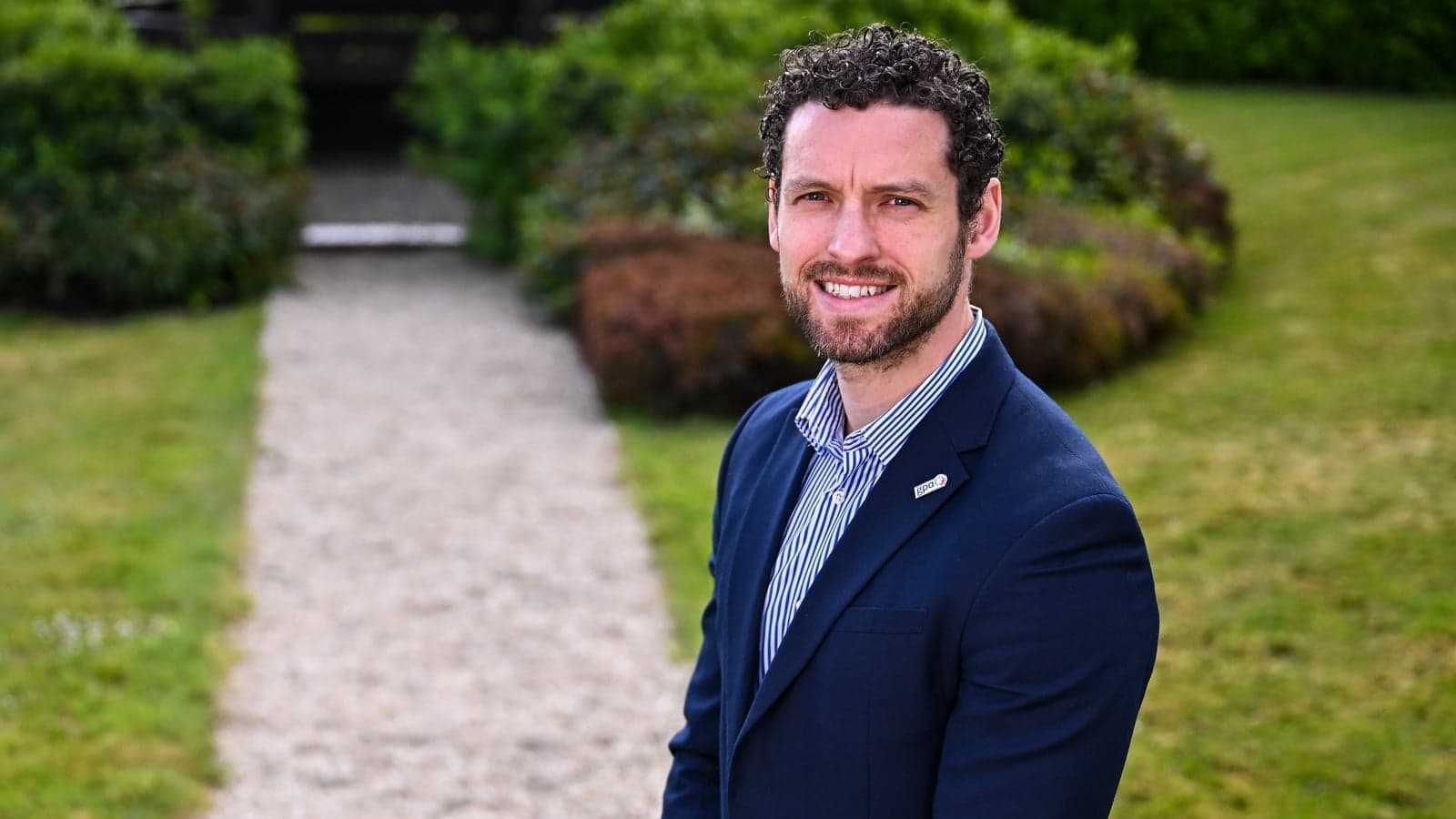
GPA chief executive Tom Parsons told RTÉ Sport that players want their voices hardwired into the system, not heard on an ad-hoc basis.
He pointed squarely at the gaps: provincial councils, county boards, the LGFA, the Camogie Association. Decision-making arenas where players’ interests are on the line but their representatives are not consistently in the room.
The push reflects a wider shift in global sport, where athletes are no longer content to be the last to hear about changes to competition structures or policy. Parsons framed it as a governance issue as much as a welfare one: if decisions shape the players’ lives and careers, players should be there when those decisions are made.
The GPA already works across existing GAA committees and boards, but the AGM made the ambition clear – deeper roots in provincial councils, county boards and across the “wider Gaelic games family”.
Money on the table – and where it goes
The financials back up the association’s claim to be player-first.
Of the GPA’s €7.6m in total revenue, €4.35m went on player welfare and development in 2025. That covers personal development coaching, career programmes and educational supports – the off-field scaffolding that allows inter-county players to balance elite commitment with work, study and life.
Government support remains central. Annual grant funding of €3m came from Sport Ireland via the GAA, with the GPA responsible for ensuring that money reaches inter-county players.
Overall revenue nudged up by 1% on the previous year, driven by a 5% increase in government grants. That growth, though, was checked by a 6% fall in GAA core funding. The GAA contribution dropped to €2.98m from €3.17m.
The result was a modest deficit: an operating pre-tax loss of €59,401 and a post-tax loss of €65,881. Not catastrophic, but a reminder that the margins are tight when almost everything is pushed back into services.
Lean staff, heavy load
Behind the programmes sits a relatively small operation. The GPA employs 10 full-time staff, supported by 18 fixed-term contracted employees who deliver the Ahead of the Game (Movember) mental health programme.
Those Movember-related staff costs are recharged to the GAA, which is the official recipient of that particular funding stream from the global mental health charity.
Key management remuneration came to €250,181, down from €268,317 the previous year – another sign of a body keen to show that its resources are not being swallowed by administration.
For Parsons and the players he represents, the figures are ammunition. They show an organisation that spends almost everything on the people on the pitch, yet still has only limited reach into the rooms where the sport’s future is shaped.
The next question is not whether the GPA can justify a bigger say. It’s whether the GAA’s power structures are ready to make space for the players whose welfare they so often claim to prioritise.